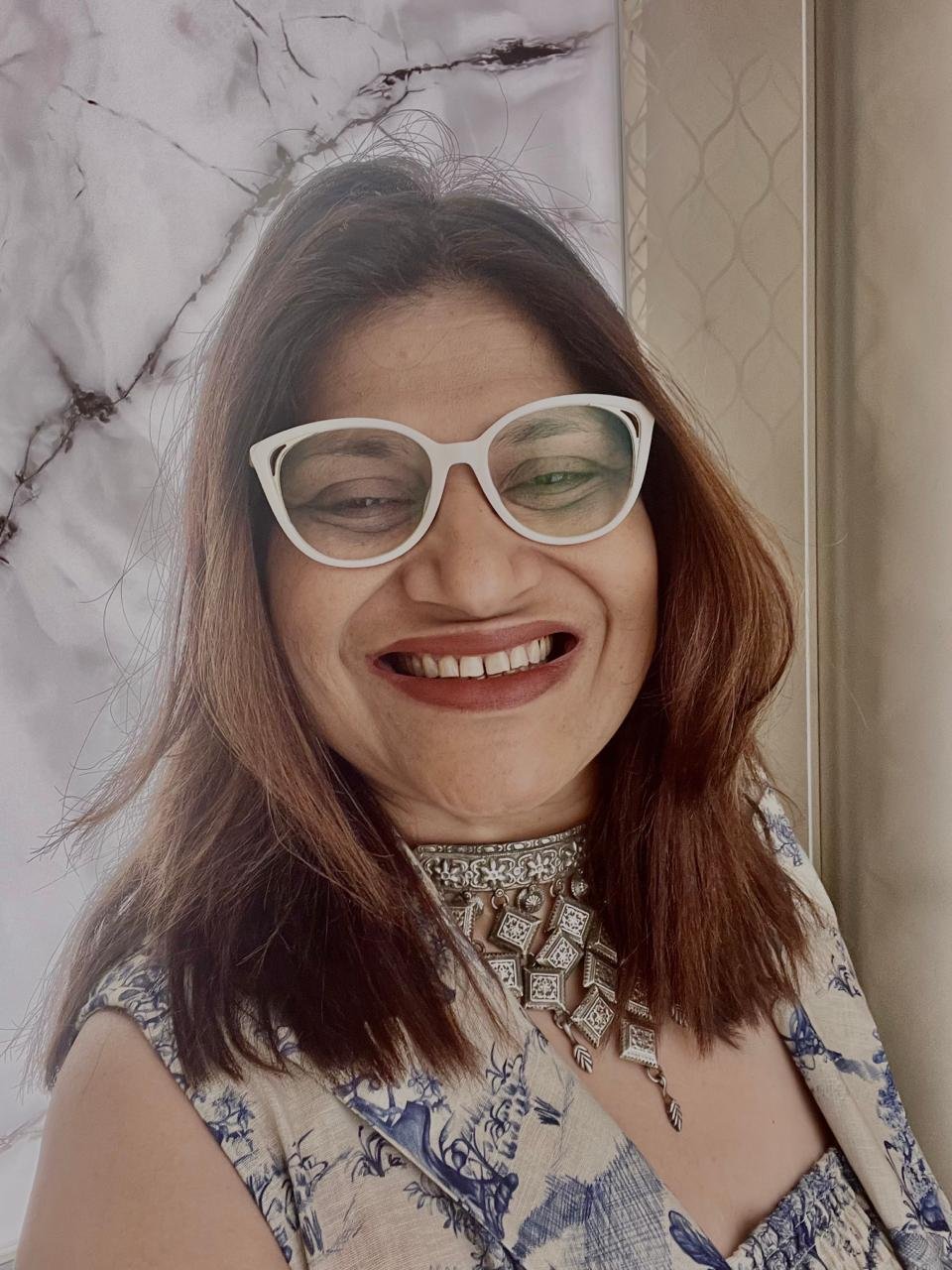
Ritu Gupta Garg
A poet betweenLanguages.
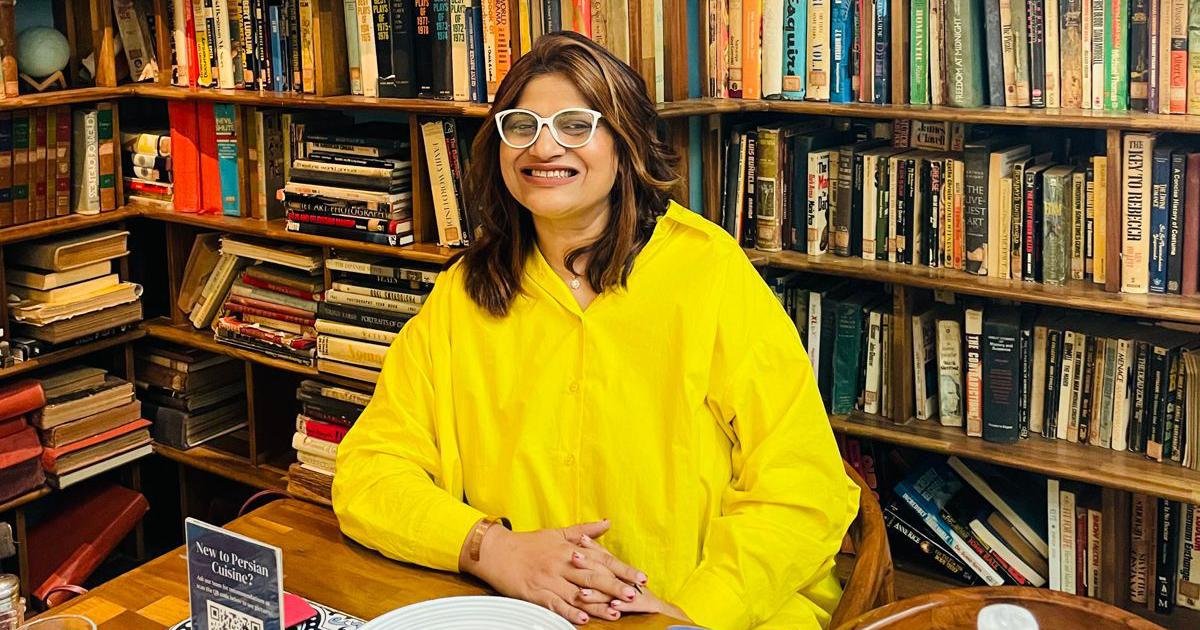
I am Ritu Gupta Garg, a poet, translator, and educator who finds beauty in the spaces between languages and cultures.
Poetry is the art of saying what cannot be said, translating silence into song, and making the invisible visible.
01
Who I am
My work is deeply influenced by my heritage, my experiences of migration, and the quiet rituals of everyday life.
Born in India and having lived across continents, I write at the intersection of multiple identities. My poetry explores belonging, displacement, memory, and the tender moments that connect us — a cup of tea shared with a loved one, the turning of a stone mill, the rustle of leaves in a forgotten garden.
What life rejects, poetry accepts.
02
The writing
I write poems, songs, and longer notes. The poems look at identity, language, and the things a family keeps. The longer pieces, on Substack, move from a room or a road toward something quieter.
Poetry is the shortest bridge from the mundane to the spiritual. One has to go through darkness to discover one's own light.
03
Books
Mere Hisse ki Shyaahi (2022) is a personal collection of poems — unspoken emotions, quiet thoughts, and the stories carried within.
The Dance of the Poltergeists (2025) moves through the unseen, where presence feels uncertain and silence has a sound.
04
Translation
As a translator, I believe language can build bridges. My work brings voices from South Asian literature toward English readers, and the other way, keeping the nuances that make each language its own.
Translation, for me, begins with listening. Before a line can cross over, I sit with it until I know what it is holding back — the weight of a single Hindi word, the pause after a couplet, the song hidden inside an ordinary phrase.
Some words refuse to travel. Then the work is not to replace them, but to carry their feeling across, so that a reader on the other side hears the same heartbeat in a different tongue.
05
Teaching
Through teaching I share poetry and translation with students of all ages. Everyone has a story worth telling, and I am glad to help someone find a voice.
A poem does not need big words. It needs one true line, and most people already carry that line inside them. My part is to make the room quiet enough for it to come out.
We read aloud, we write, we cross out, we try again. The aim is never perfection — only the courage to put a feeling on paper and say, this is mine.
06
Tea, woke, chakki
The name teapoet.ritu_woke.chakki tells a story of its own. Tea is the quiet ritual. Woke is an engagement with what is happening now. Chakki — the stone mill — is the slow work of taking a raw life and grinding it into something that can be shared.